
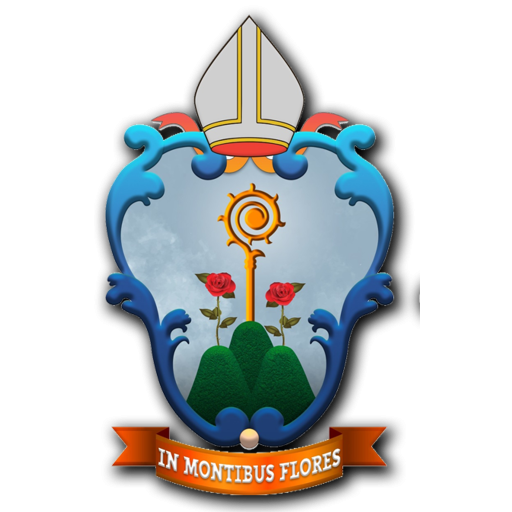
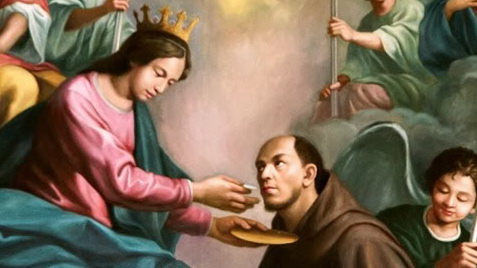
St. Sylvester Guzzolini
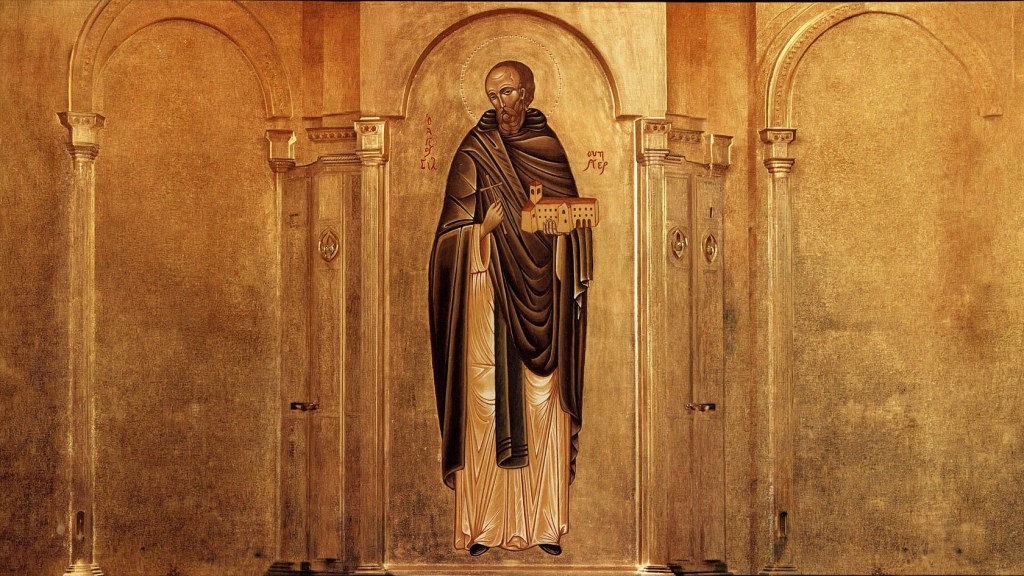
St. Sylvester Guzzolini (1177–1267) was an Italian Catholic priest and hermit best known as the founder of the Sylvestrine Congregation of the Benedictine Order. Born in Osimo, Italy, he initially studied law but later chose a life dedicated to prayer, simplicity, and service to God. After being ordained a priest, he withdrew from public life to live as a hermit, attracting followers inspired by his spirituality. In 1231 he established a monastic community at Monte Fano, which became the center of the Sylvestrine monks. Renowned for his humility and devotion, he died in 1267 and was later canonized as a saint by the Catholic Church.
Early Life and Calling
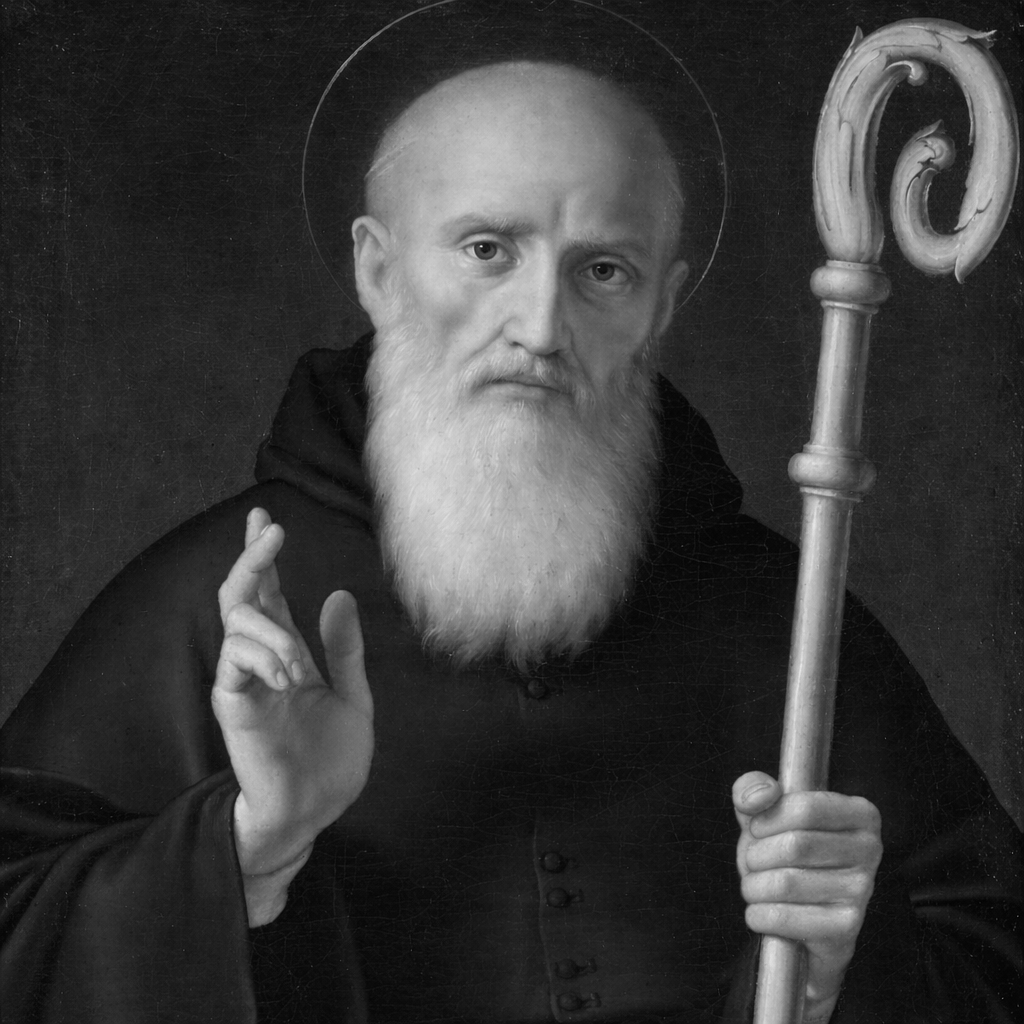
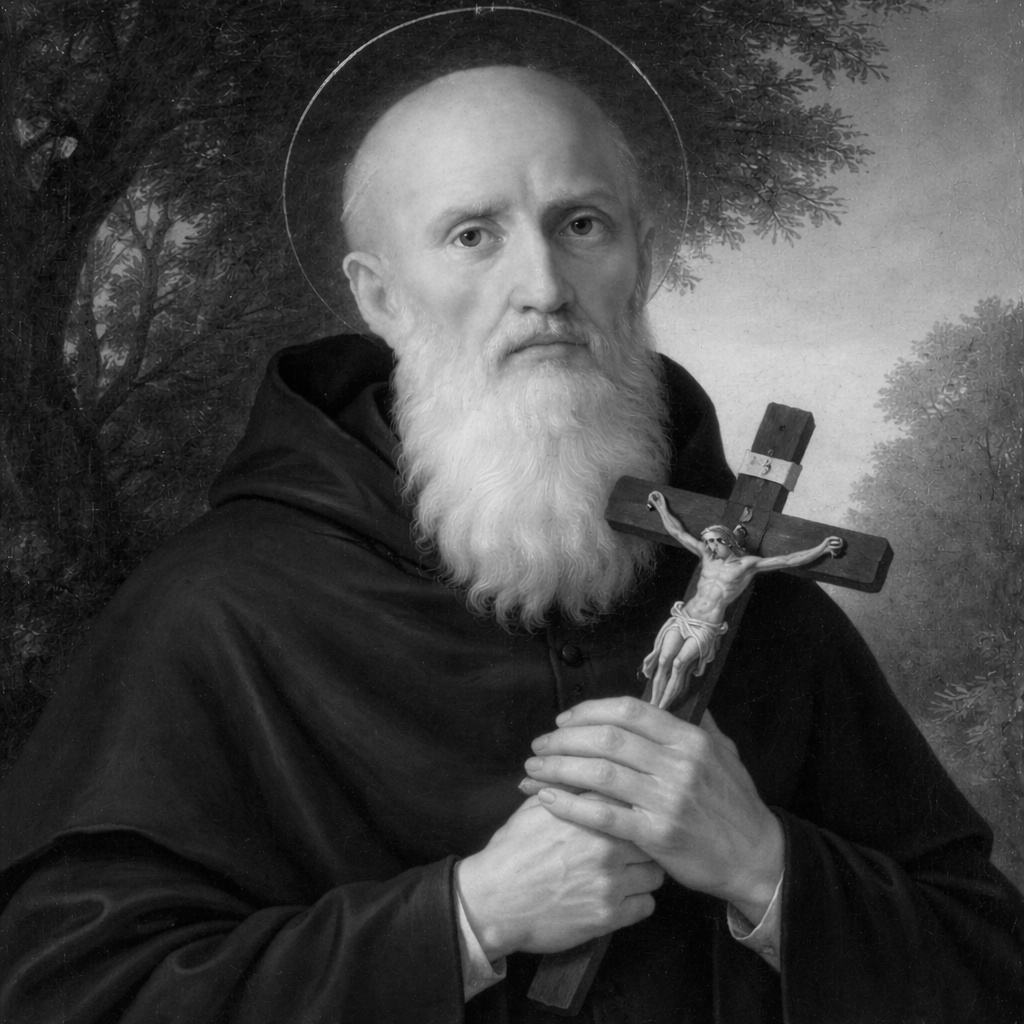
St. Benedict of Nursia (c. 480–547) was an Italian Christian monk and the founder of Western monasticism. Born in Nursia (modern Norcia, Italy), he left his studies in Rome to pursue a life dedicated to prayer, solitude, and spiritual discipline. Seeking holiness away from the corruption of city life, Benedict lived as a hermit before attracting followers inspired by his devotion.
Founder of the Benedictine Order
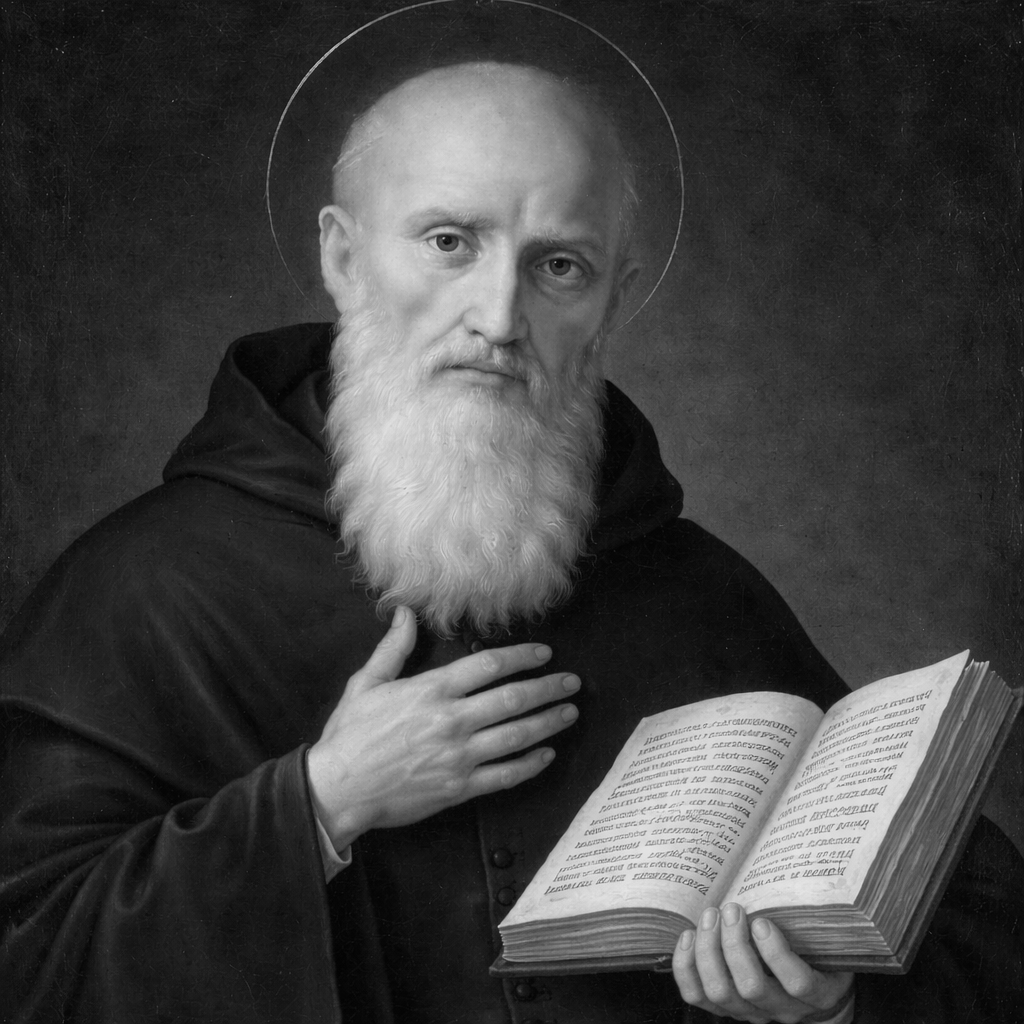
St. Benedict later established several monasteries, most notably Monte Cassino, where he wrote the Rule of St. Benedict. This rule provided a balanced guide for monastic life centered on prayer, work, obedience, and community living. His teachings became the foundation for the Benedictine Order, which greatly influenced Christian monastic traditions across Europe.
Legacy and Influence
Benedict is known as the “Father of Western Monasticism.” His rule shaped the spiritual, cultural, and educational life of medieval Europe for centuries. Canonized as a saint, he is also recognized as the patron saint of Europe, remembered for promoting a life of discipline, humility, and service to God.
Stories
Latest in Community
Beyond the confines of traditional academia, our organization is deeply rooted in community development.



 silvestrinibenedictini